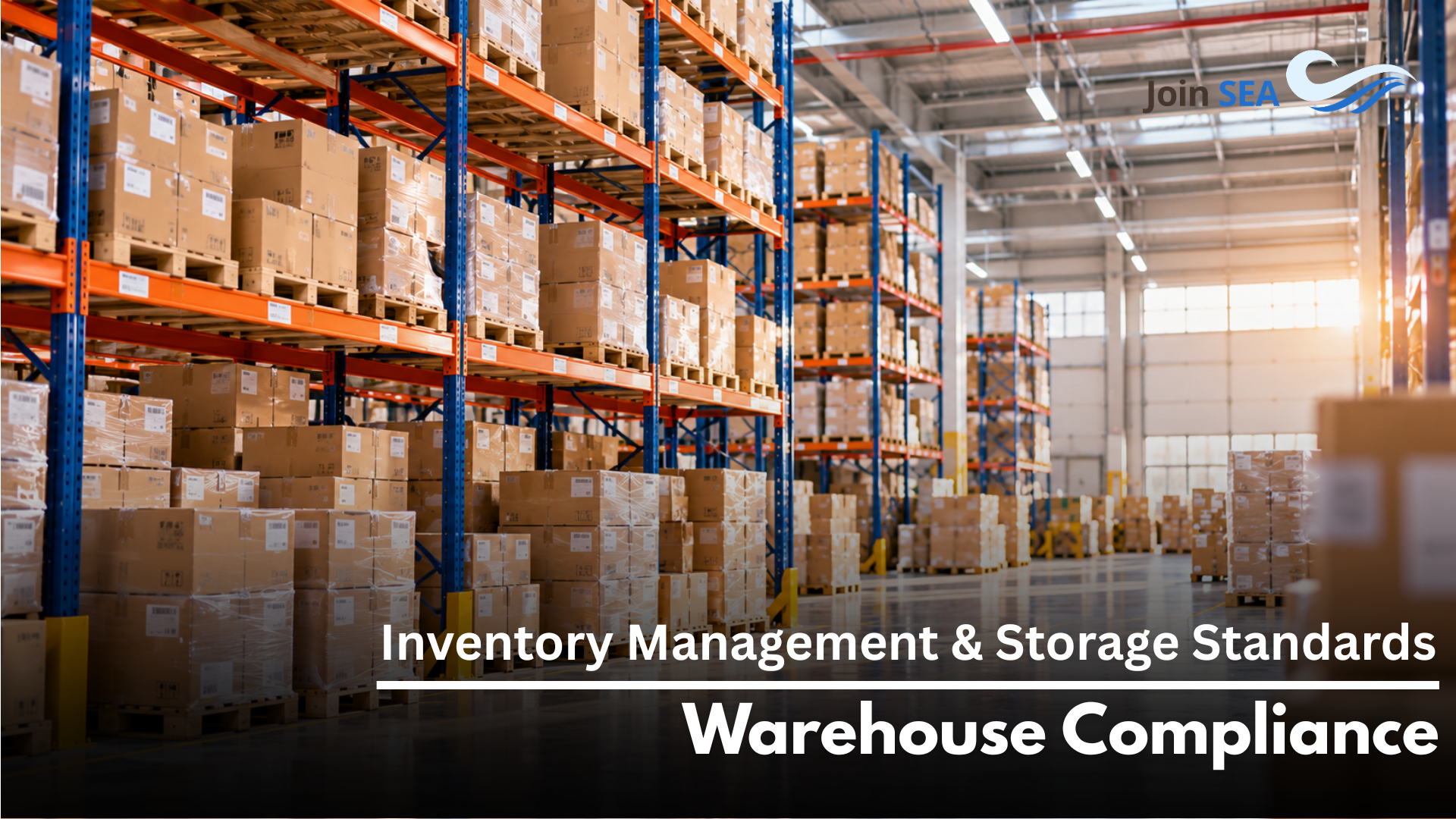
Singapore Warehouse Regulations: 5 CFW Compliance Requirements Logistics Businesses Should Know
Published: 12 October 2026 | E-commerce & Logistics News
Singapore continues to maintain specific licensing and compliance requirements for logistics facilities that handle certain types of cargo. On 21 August 2026, Singapore Customs updated its official guidance on the Container Freight Warehouse (CFW) Licence, outlining the requirements and responsibilities for approved warehouse operators.
For businesses involved in freight consolidation, cargo handling and cross-border logistics, understanding the applicable warehouse licensing requirements is important for maintaining operational compliance.
However, not every e-commerce fulfillment warehouse requires a CFW licence. The applicable requirements depend on the nature of the warehouse operations, the types of goods handled and the relevant customs scheme.
Official source: Singapore Customs – Container Freight Warehouse Licence
What Is a Container Freight Warehouse (CFW)?
A Container Freight Warehouse is a facility licensed by Singapore Customs to handle activities such as breaking bulk and consolidating Less than Container Load (LCL) cargo outside a Free Trade Zone.
The CFW scheme is designed for specific cargo-handling operations. Only non-dutiable, non-controlled and non-strategic goods are permitted under this scheme.
It is important for logistics businesses to distinguish a CFW from a conventional e-commerce fulfillment warehouse. A business that primarily stores products, processes online orders and arranges parcel dispatch should assess its actual operations before determining whether a specific customs licence is required.
Businesses handling dutiable goods or goods under other customs arrangements may need to consider different licensing schemes.
5 Key CFW Compliance Requirements
1. Computerised Inventory Management
Warehouse operators applying for a CFW licence must operate a robust computerised inventory system capable of tracking and accounting for goods stored at the facility.
Accurate inventory records help operators maintain visibility over stock movements and support reconciliation when goods enter or leave the warehouse.
For logistics businesses, this highlights the importance of maintaining reliable warehouse management processes, including inventory identification, transaction records and stock discrepancy monitoring.
2. Goods Movement and Customs Declarations
CFW operators must declare relevant movements of goods through the appropriate TradeNet customs permits.
The warehouse must maintain complete and up-to-date inventory records, and goods movements must follow the applicable customs procedures.
These requirements make it important for warehouse operators to coordinate their inventory systems, operational workflows and customs documentation.
3. Monthly Reporting and Stock Accountability
Licensed operators are required to submit timely, reconciled monthly reports and remain accountable for goods stored at the facility.
Singapore Customs also requires discrepancies to be reported by the next working day. Operators must be prepared to support customs investigations, audits, stock checks and supervisory activities.
Strong internal controls and consistent record-keeping can help businesses identify discrepancies promptly and maintain accurate inventory information.
4. Warehouse Security and Facility Controls
CFW applicants must operate a storage-based facility with appropriate security measures.
Operators are responsible for the security, accountability and control of goods stored in the licensed premises. They must also comply with the relevant requirements for securing warehouse entrances and exits and obtain prior approval for applicable structural changes.
For logistics businesses, warehouse security should be supported by suitable access controls, documented procedures and clear responsibility for cargo handling.
5. Licensing Eligibility and TradeFIRST Assessment
Companies applying for a CFW licence must meet the relevant eligibility criteria set by Singapore Customs.
These include GST registration with the Inland Revenue Authority of Singapore (IRAS), a valid Customs Account, satisfactory compliance records, appropriate warehouse security and an effective inventory management system.
Applicants must also complete a TradeFIRST assessment, meet the mandatory criteria and attain at least the Enhanced Band.
Singapore Customs states that processing typically takes three to four months from submission, although complex applications may take longer. The annual CFW licence fee is S$4,000.
Businesses should review the official requirements before planning a new warehouse operation or applying for the licence.
What Does This Mean for E-commerce and 3PL Businesses?
The CFW requirements apply to a specific category of licensed cargo-handling facility. They should not be interpreted as a new blanket licensing requirement for every third-party logistics (3PL) provider or ordinary e-commerce fulfilment warehouse.
Nevertheless, the requirements highlight several operational practices that logistics businesses should take seriously:
- Maintain accurate inventory records and stock movement visibility.
- Establish clear procedures for receiving, storing and dispatching goods.
- Keep supporting documents organised and accessible.
- Review warehouse security and access control procedures.
- Understand the customs, GST and licensing obligations relevant to the business’s actual activities.
Businesses handling cross-border cargo, consolidated freight or goods under customs-controlled arrangements should confirm the applicable requirements with Singapore Customs or a qualified trade compliance professional.
How JoinSEA Supports E-commerce Fulfillment in Singapore and Malaysia
At JoinSEA, we support e-commerce businesses with warehousing and fulfillment solutions in Malaysia and Singapore.
As businesses expand across sales channels and markets, organised inventory management and reliable fulfilment processes become increasingly important for daily operations.
Whether you are reviewing your current warehouse arrangements, expanding your e-commerce business or exploring third-party logistics services, JoinSEA welcomes the opportunity to discuss your operational requirements.
Our team can help you explore suitable warehousing and fulfillment arrangements based on your inventory, order volume, sales channels and business needs.
For businesses handling specialised or customs-controlled cargo, the relevant licensing and compliance requirements should be assessed separately according to the nature of their operations.
Looking for a 3PL Fulfillment Partner?
If your business is looking for warehousing and e-commerce fulfillment services in Singapore or Malaysia, contact JoinSEA to discuss your requirements.
Email: enquiryjoinsea@gmail.com